

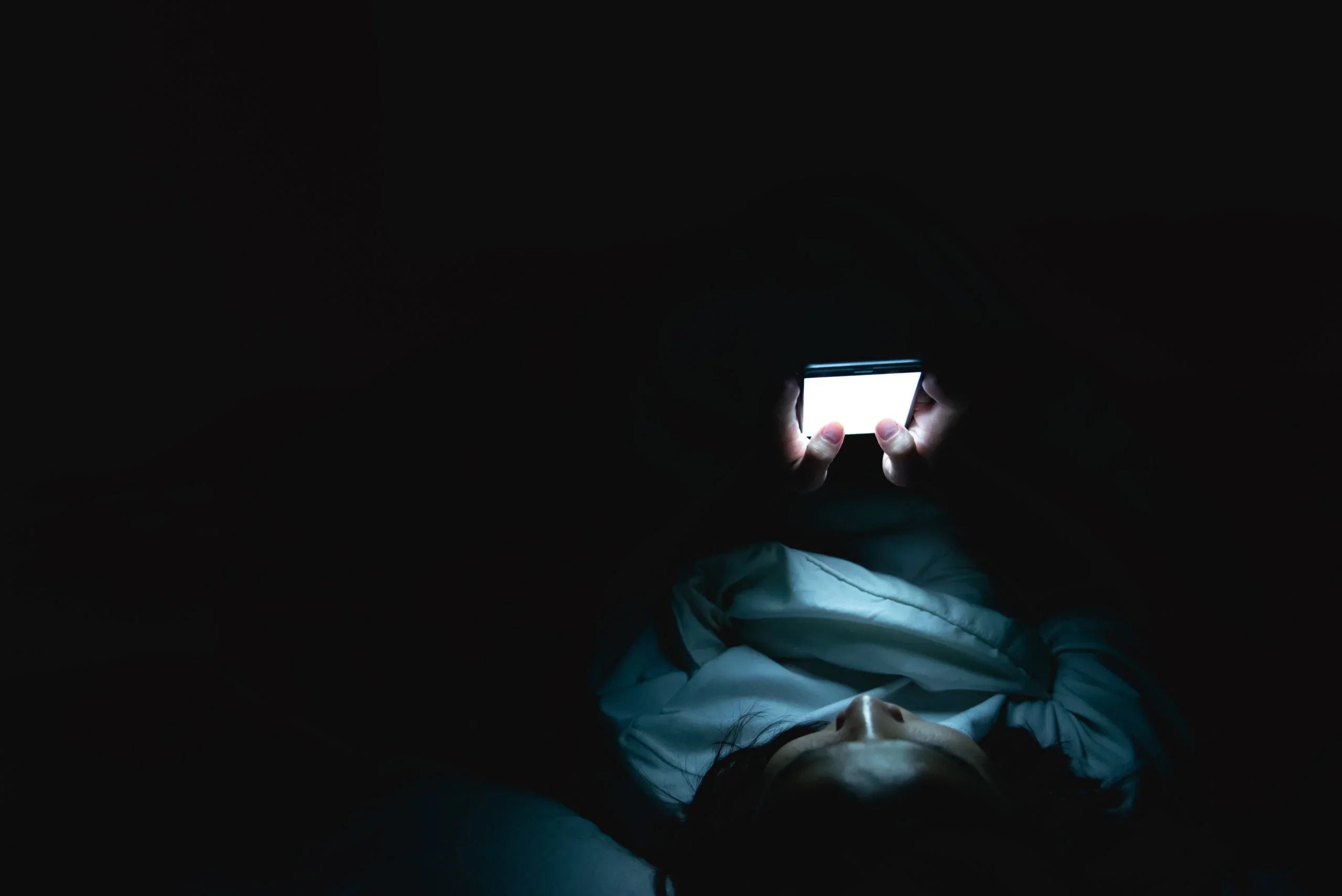
Social media has transformed how we communicate, work, and stay informed. What began as a simple way to connect with friends has evolved into a constant stream of news, entertainment, and — for many — a nightly habit that is harming sleep more than most realise.
With 79.9% of Australians active on social media and average daily use nearing two hours, the impact on sleep has become impossible to ignore. As doomscrolling rises and phones become the last thing we see at night, it’s clear that social media is reshaping our sleep habits in uncomfortable ways.
This guide explains how social media affects your sleep, why doomscrolling feels addictive, and how to break the cycle to restore healthy rest.
The Rise of Doomscrolling
The term doomscrolling gained popularity during the 2020 pandemic — a time when stress was high, uncertainty was constant, and people searched endlessly for updates late into the night.
What Is Doomscrolling?
Doomscrolling is the habit of continuously consuming negative or distressing news online. This usually happens at night, when the mind is already more prone to worry and overthinking.
Why Do We Doomscroll?
There are several psychological reasons:
-
Stress and negative emotion drive us to seek reassurance
-
FOMO (fear of missing out) encourages constant checking
-
Unlimited content makes it nearly impossible to stop
-
Algorithms feed us more of what we last interacted with — often bad news
-
Addictive platform design rewards our brain with small dopamine hits
This cycle leads directly into bedtime, making sleep disruption almost inevitable.
How Doomscrolling Impacts Mental Health
Scrolling through distressing content before bed affects your mind more powerfully than you think. It can:
-
Increase stress hormones
-
Heighten anxiety and depressive symptoms
-
Trigger overthinking at bedtime
-
Lead to insomnia or restless sleep
-
Distort your worldview
-
Reduce resilience and emotional wellbeing
In short, doomscrolling at night doesn’t just keep you awake — it rewires how your brain processes stress.
Why Social Media Is So Addictive
Social media triggers the same brain pathways associated with sugar, gambling, and other addictive behaviours. Notification pings, likes, and endless feeds act as “rewards,” keeping us scrolling longer than intended.
Here’s why it becomes hardest to stop before bed:
1. Endless Content
There is always something new to read, watch, or react to. Unlimited content removes natural stopping cues.
2. Fear of Missing Out
When heading to bed, many users feel compelled to check “one last time” — worried they’ll miss important updates.
3. Revenge Bedtime Procrastination
This behaviour describes staying up late to reclaim personal time after a long, demanding day — often through scrolling.
Together, these habits disrupt your circadian rhythm and delay deep, restorative sleep.
How To Stop Doomscrolling Before Bed
Breaking the cycle doesn’t require going off the grid — just a few intentional changes.
1. Limit Screen Time at Night
Use built-in tools to set time limits or bedtime reminders.
2. Evaluate Which Apps You Truly Need
If an app consistently stresses you out, consider removing it.
3. Train Your Algorithm
Interact with positive content and avoid negative feeds. Block or mute content sources that affect your mood.
4. Be More Present
Put your phone away at dinner, during conversations, or when relaxing. Try leaving it behind occasionally — you may be surprised how freeing it feels.
5. Choose Off-Screen Activities
Replace late-night scrolling with low-stimulation habits such as reading, stretching, or journaling.
Build a Healthy Night Routine
A consistent bedtime routine can help your body unwind and reduce the temptation to scroll. Try:
-
A warm shower
-
Herbal tea
-
Calming music
-
Meditation
-
A short reading session
-
Tidying and preparing the bedroom
-
Keeping a consistent sleep schedule
Your brain thrives on routine — give it signals that it’s time to switch off.
Your Mattress Matters Too
Even the best digital habits won’t help if your bed isn’t comfortable. A supportive mattress helps ease tension, reduce stress, and promote deeper sleep.
For a more restorative sleep experience, explore the Yinahla Premier Firm Mattress, enjoy pressure-relieving comfort with the Yinahla Posture Cloud Gel Mattress, or upgrade your bedding with a luxury mattress protector crafted for cooler, cleaner nights.
Frequently Asked Questions
Why does social media make it hard to sleep?
It stimulates the brain, increases stress hormones, and keeps your mind active when it should be winding down.
What is doomscrolling?
Doomscrolling is the habit of endlessly consuming negative news online, especially before bed.
Can social media affect mental health?
Yes — excessive use can worsen anxiety, depression, and stress levels.
What is revenge bedtime procrastination?
It’s staying up late scrolling or relaxing instead of sleeping because you didn’t get enough downtime during the day.
How can I stop scrolling at night?
Set limits, keep devices out of the bedroom, build a bedtime routine, and replace late-night scrolling with calming activities.


